
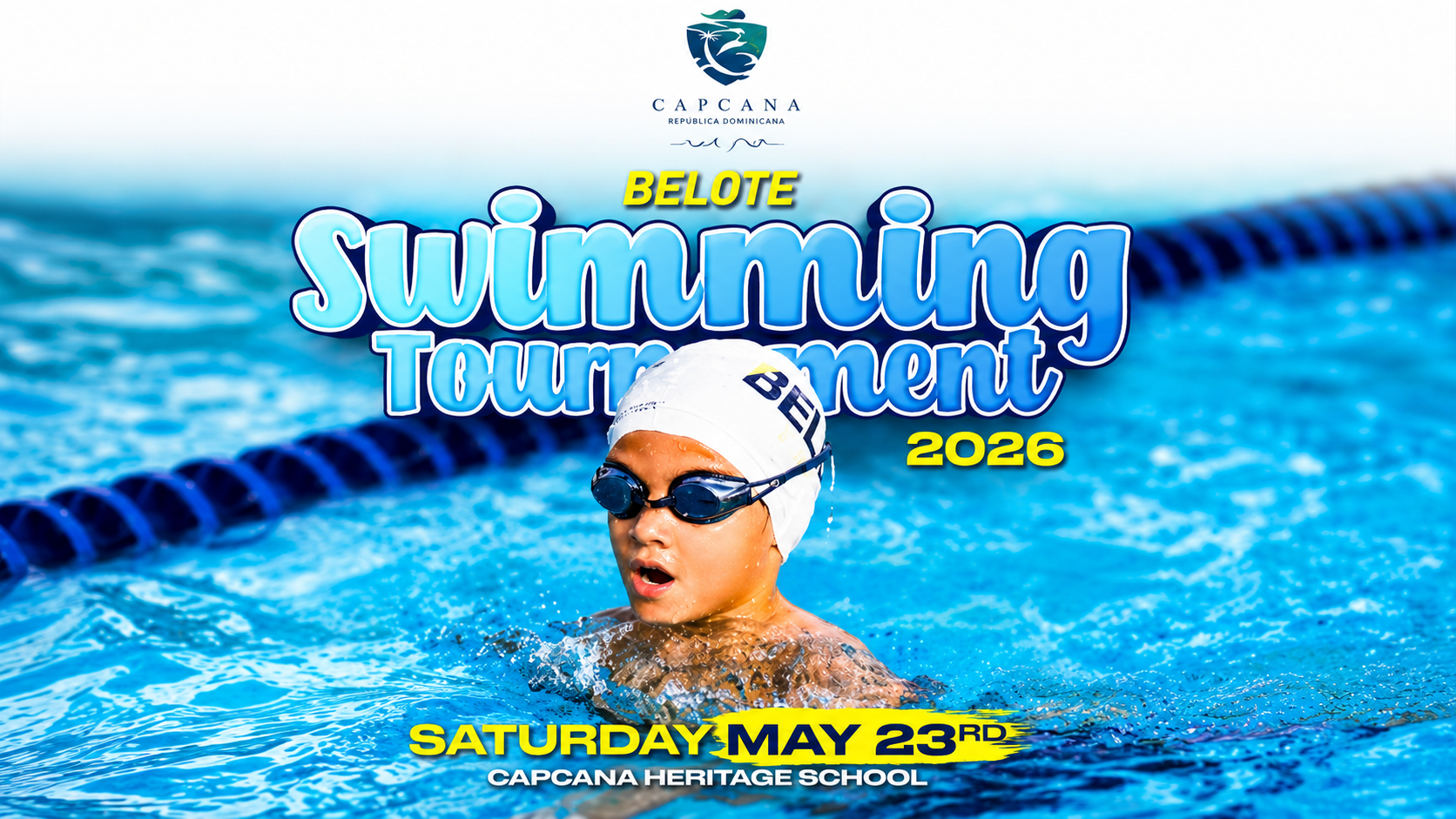
Last weekend in Cap Cana, something much bigger than sports was happening.
While hundreds of children competed in swimming, volleyball, and soccer tournaments, a deeper transformation became visible:
Cap Cana is evolving into a true international residential community built around education, wellness, family life, and long-term lifestyle value.
And for those who understand real estate cycles, this matters more than many people realize.
For years, many international buyers viewed Punta Cana and Cap Cana primarily through the lens of tourism and vacation homes, beautiful beaches, luxury resorts, golf courses, marina lifestyle, and warm weather year-round.
But over the past few years, something very important has been happening beneath the surface. The region is beginning to develop the characteristics that define truly mature global residential destinations: strong educational ecosystems, organized youth sports, family-oriented infrastructure, and community-driven lifestyles. Last weekend offered a perfect example of that evolution.
The BELOTE Swimming Tournament, hosted at Cap Cana Heritage School, brought together more than 225 young athletes from different schools and academies across Punta Cana, Bávaro, Santo Domingo, and Santiago. (Listín Diario)
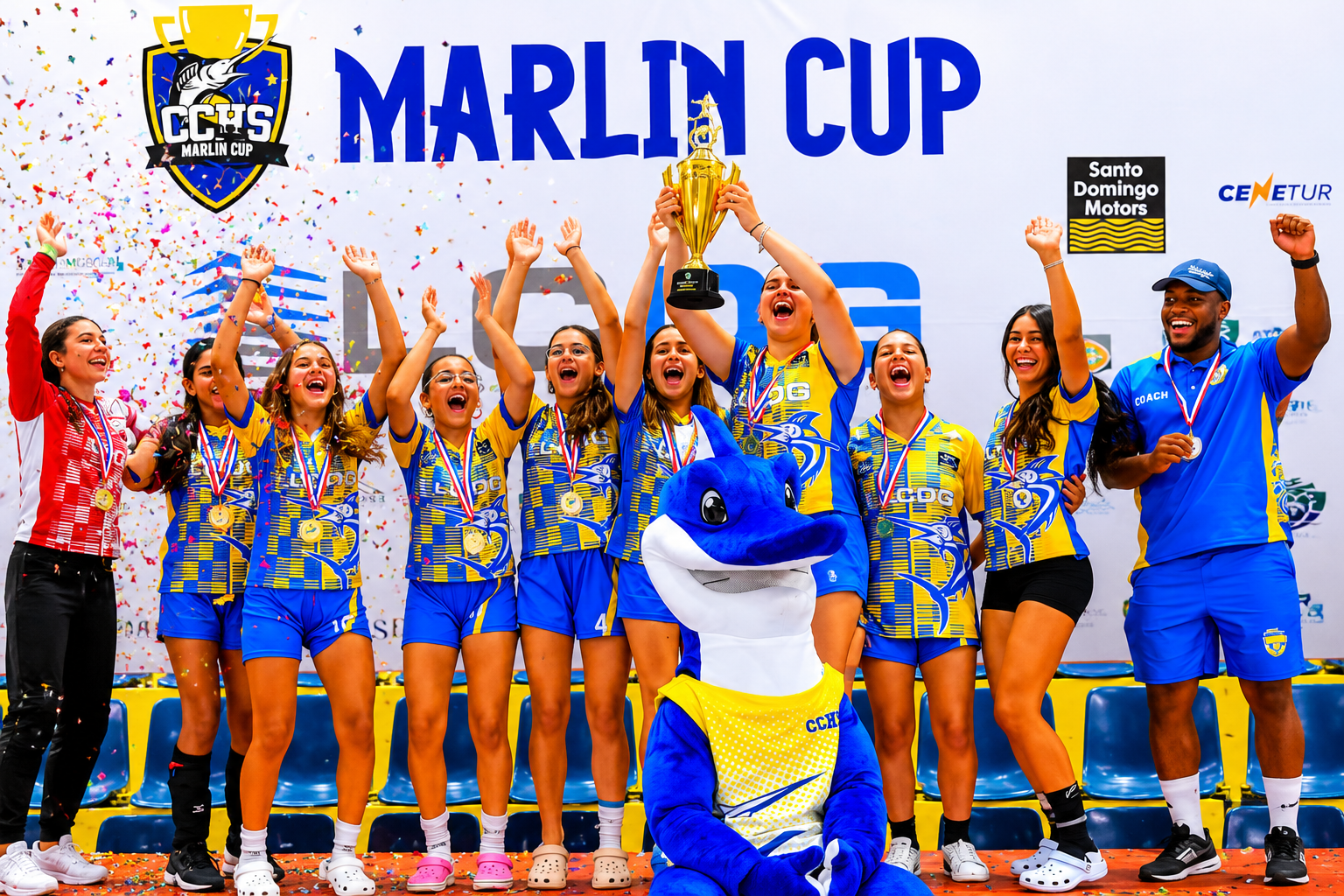
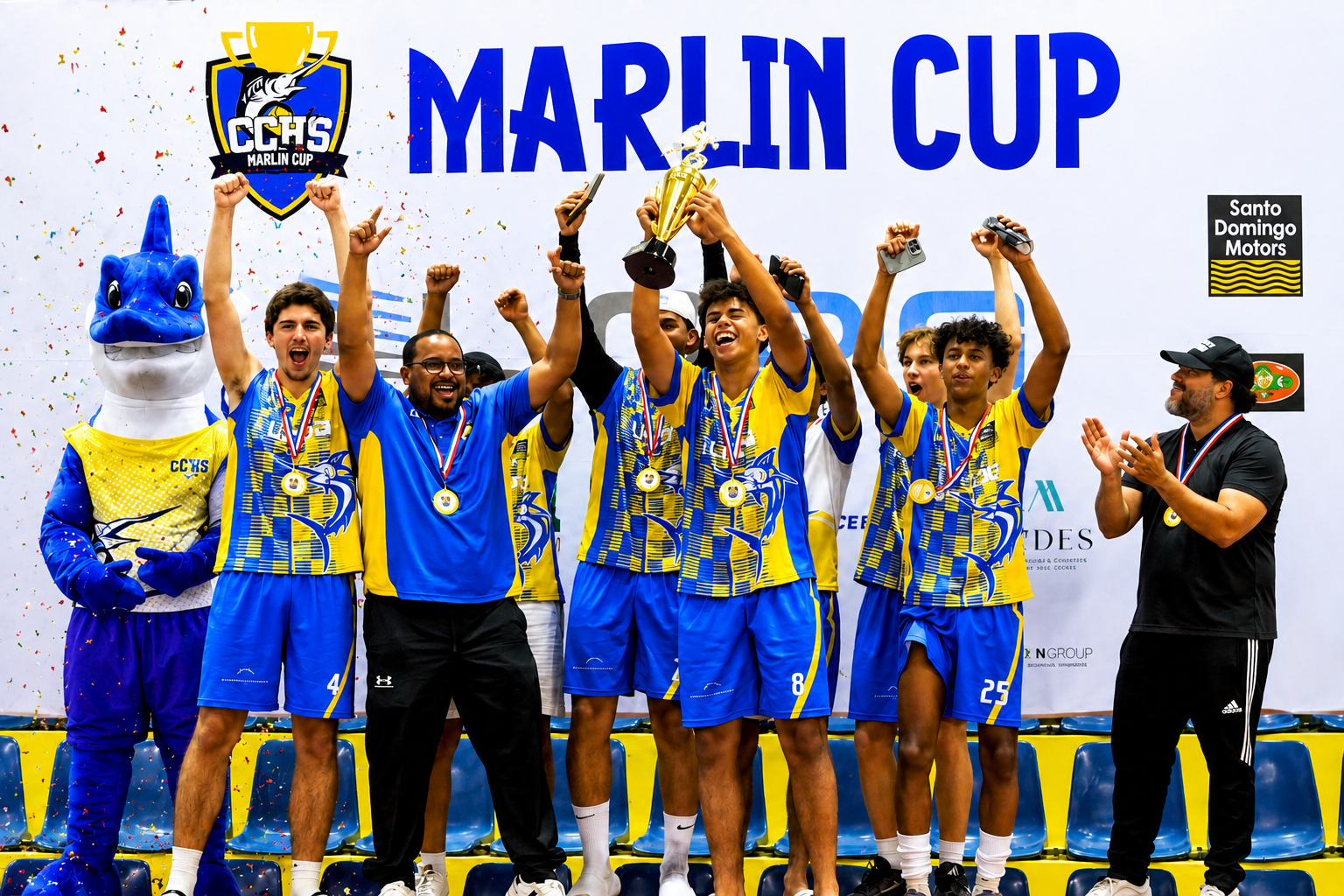
At the same time, The Marlin Cap Cana Cup gathered students from several schools in the area to compete in volleyball and soccer, creating an atmosphere that felt less like a tourism destination and more like a thriving international community.
These types of events may seem simple on the surface, but in reality, they reveal something much bigger about where Cap Cana is heading. Globally, the most valuable residential destinations are no longer defined solely by luxury real estate. They are defined by ecosystem quality.
Families relocating internationally today are asking different questions:
Are there strong schools nearby?
Is there a healthy sports culture?
Can children grow up in a safe and active environment?
Is there community integration?
Are there activities beyond tourism?
Is this a place where families can truly build a life?
And increasingly, Cap Cana is answering those questions extremely well.
The growth of institutions like Cap Cana Heritage School and the expansion of youth sports programs are helping elevate the region far beyond the traditional Caribbean destination model.
This matters tremendously from a real estate perspective. Why?
Because destinations that successfully combine lifestyle, education, wellness, sports culture, infrastructure, and international connectivity tend to create stronger long-term residential demand and more resilient property markets.
We have seen this pattern repeatedly in cities and resort communities around the world. People do not relocate only because of beaches. They relocate because of quality of life, and quality of life is built through community.
That is exactly why events like the BELOTE Swimming Tournament and The Marlin Cap Cana Cup are more important than they may initially appear. They showcase the maturation of Cap Cana as a destination where families can envision a future, not just a vacation.
As more international families from the United States, Canada, Puerto Rico, and Europe explore relocation opportunities in the Dominican Republic, lifestyle-driven communities with strong educational and extracurricular ecosystems are gaining enormous attention. Especially among entrepreneurs, remote professionals, retirees with grandchildren, international investors, and high-income families seeking a balance between lifestyle and security.
This evolution is also creating a different type of real estate demand. We are seeing growing interest in:
family-oriented residences,
larger condos,
villas near schools,
walkable communities,
wellness-focused developments,
and properties connected to sports and recreational amenities.
In many ways, this is the next chapter of Cap Cana. Not simply as a luxury tourism destination, but as a globally relevant residential lifestyle hub in the Caribbean. A place where education, sports, wellness, luxury, and investment potential coexist naturally.
And historically, communities that successfully achieve that balance tend to outperform over the long term — both socially and economically.
The future of Caribbean luxury living is evolving.
And increasingly, that future looks much more like community than tourism.